
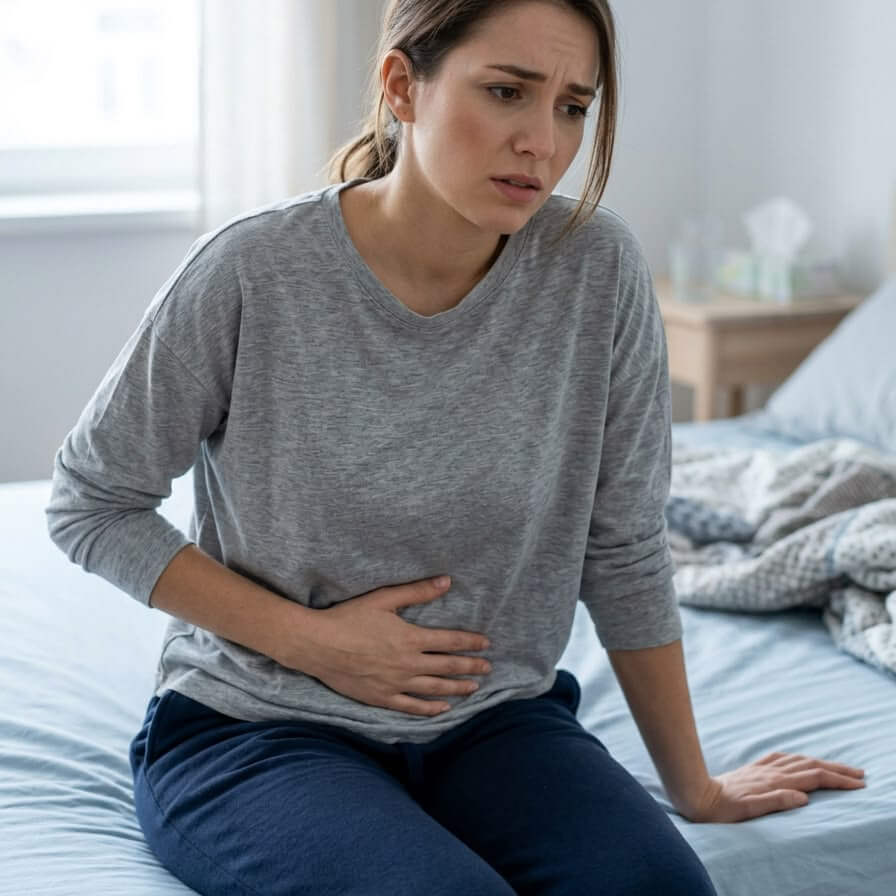
Your menstrual cycle is often referred to as a vital sign of overall health and for good reason. A healthy period reflects proper hormonal balance, adequate nutrition, and normal reproductive function. While many people assume that any variation in their cycle is normal, certain symptoms may indicate that something deeper is affecting their health.
Understanding the warning signs of an unhealthy period can help you identify potential issues early and seek appropriate support. Here are five signs that your period may not be as healthy as it should be.
- Missing Periods or Irregular Cycles
One of the most common signs of an unhealthy period is a cycle that is highly irregular or disappears altogether. While occasional variations can happen due to stress, travel, or illness, consistently missing periods should not be ignored.
Amenorrhea, the absence of menstruation, can be linked to hormonal imbalances, excessive exercise, chronic stress, under-fueling, or conditions such as hypothalamic amenorrhea and polycystic ovary syndrome (PCOS). If your cycle has stopped for several months, it is important to investigate the underlying cause rather than simply waiting for it to return on its own.
- Extremely Heavy Bleeding
Heavy menstrual bleeding can significantly impact your quality of life and may indicate an underlying health concern. If you are soaking through pads or tampons every hour, passing large blood clots, or experiencing periods that last longer than seven days, it may be time to consult a healthcare professional.
Heavy bleeding can be associated with hormonal imbalances, uterine fibroids, endometriosis, thyroid disorders, or other medical conditions. It can also increase the risk of iron deficiency and anemia, leading to fatigue, dizziness, and reduced energy levels.
Tracking the amount and duration of bleeding can provide valuable information when discussing your symptoms with a healthcare provider.
- Severe Pain That Disrupts Daily Life
While mild cramping is common during menstruation, severe pain that prevents you from attending work, school, or normal activities is not considered normal.
Intense menstrual pain may be a sign of conditions such as endometriosis, adenomyosis, or pelvic inflammatory disease. Unfortunately, many individuals are told that painful periods are simply something they must tolerate. In reality, debilitating pain deserves medical attention and proper evaluation.
If your period pain regularly requires strong medication or causes you to miss important activities, it may indicate an underlying issue that needs to be addressed.
- Very Light or Short Periods
Many people assume that lighter periods are always a positive thing, but unusually light or extremely short periods can also signal hormonal dysfunction.
A period that lasts only a day or two, consists of minimal spotting, or becomes progressively lighter over time may indicate low estrogen levels or inadequate ovulation. This is especially common in individuals experiencing chronic stress, restrictive eating patterns, excessive exercise, or low energy availability.
When the body perceives that it lacks sufficient resources, it may reduce reproductive function as a protective mechanism. In such cases, working with a qualified professional can help identify the root cause and create a plan to recover your period safely and effectively.
- Significant Changes in Your Cycle
Your menstrual cycle tends to follow a predictable pattern. Sudden or dramatic changes in timing, flow, symptoms, or cycle length should not be dismissed.
For example, if your previously regular cycle becomes irregular, your flow changes dramatically, or you begin experiencing new symptoms such as severe mood swings, excessive fatigue, or unusual spotting between periods, these changes may indicate hormonal shifts or underlying health concerns.
Why Period Health Matters?
Your menstrual cycle provides valuable insight into your overall well-being. An unhealthy period may be a sign that your body is struggling with stress, nutritional deficiencies, hormonal imbalances, or other medical conditions.
Rather than viewing period symptoms as something to simply endure, it is important to recognize them as messages from your body. Early intervention can improve reproductive health, energy levels, bone health, and long-term wellness.
For individuals experiencing missing or irregular periods due to lifestyle-related factors, taking steps to restore your period naturally through proper nutrition, stress management, and balanced exercise habits can often play an important role in recovery.
Final Thoughts
A healthy period is more than just a monthly event, it is an important indicator of overall health. Missing periods, heavy bleeding, severe pain, unusually light flow, and significant cycle changes are all signs that deserve attention.
By listening to your body and seeking guidance when needed, you can take proactive steps toward improving your hormonal health and maintaining a healthier menstrual cycle for years to come.

