
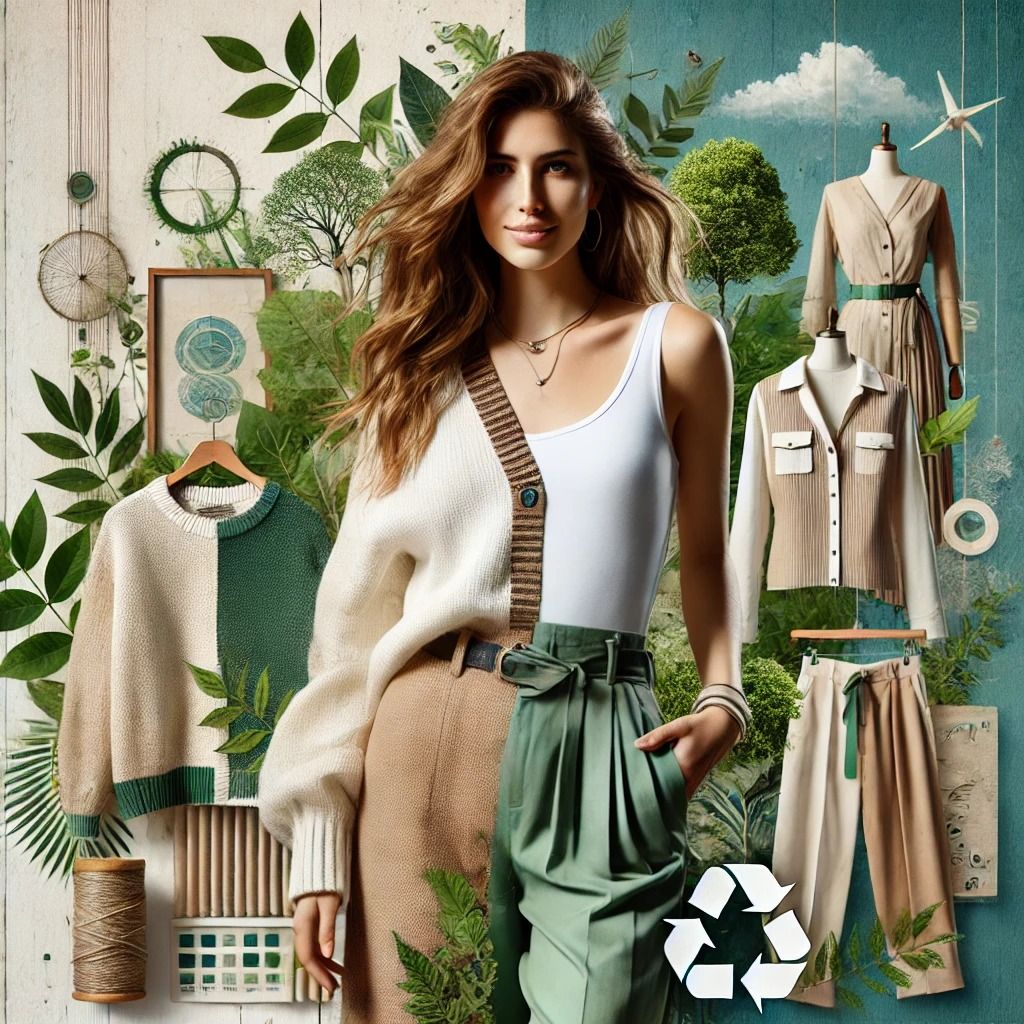
The fashion industry is undergoing a profound transformation. Consumers, brands, and designers alike are increasingly prioritizing sustainability not just as a trend, but as a responsibility. From eco-friendly materials to ethical production practices, the influence of sustainability is shaping how fashion is designed, marketed, and consumed.
Sustainability Is Shaping Consumer Choices
Modern consumers are more informed than ever. They value transparency, environmental responsibility, and ethical labor practices. This shift has driven brands to adopt sustainable initiatives, such as sourcing organic fabrics, reducing waste, and implementing circular business models.
As a result, sustainable fashion has moved from niche markets to mainstream wardrobes, influencing daily style choices and purchasing habits.
Key Areas of Influence
Sustainability affects nearly every aspect of the fashion ecosystem:
- Material Sourcing: Eco-friendly fabrics like organic cotton, Tencel, and recycled synthetics are replacing traditional textiles.
- Production Practices: Brands are minimizing water usage, energy consumption, and chemical dyes in garment production.
- Upcycling and Circular Fashion: Techniques like upcycling in fashion industry give old or discarded garments a new life, reducing waste and encouraging creative reuse. Many designers treat these pieces as wearable art, blending creativity with sustainability.
- High-Impact Pieces: Even luxury items are being crafted with sustainable techniques, proving that style and responsibility can coexist.
These areas show that sustainability is no longer optional, it’s becoming an integral part of brand identity and consumer expectations.
Sustainability as a Competitive Advantage
Brands embracing sustainable practices often stand out in a crowded market. Consumers are more likely to support companies that demonstrate environmental and social responsibility.
Furthermore, sustainable innovations like biodegradable fabrics or limited-edition recycled collections offer unique opportunities for differentiation and storytelling.
Challenges in Sustainable Fashion
Despite the growing influence, implementing sustainability comes with challenges:
- Higher Production Costs: Eco-friendly materials and ethical labor practices can be more expensive.
- Consumer Education: Not all consumers fully understand the impact of sustainable choices.
- Scalability: Mass production while maintaining sustainable practices remains a complex task.
Overcoming these challenges requires commitment, innovation, and a willingness to rethink traditional fashion models.
The Future of Sustainable Fashion
The rise of sustainability is reshaping the fashion industry for good. Brands that prioritize ethical sourcing, circular design, and environmental consciousness are setting new standards. Consumers now expect responsibility alongside aesthetics, and sustainable fashion is no longer a luxury, it’s a requirement.
As the industry evolves, sustainability will continue to influence design, production, and consumption, proving that fashion can be both beautiful and responsible.

